
Why philosophy?
The standard approach to education makes increasingly less sense in a world characterized by a rapidly growing body of knowledge. We can no longer rely on a bottoms-up subject-based approach as we get further from the frontier. Instead of layering on more subjects—often taught in silos—we propose returning to the foundation of all knowledge: philosophy.
We chose philosophy for three reasons:
- Children are natural philosophers with surprisingly deep thoughts when given the space to express them.
- Philosophy teaches students to grapple with unsettled questions and seek truth.
- Great science has its genesis in philosophical inquiry.
Below, we’ll expand on these motivations.
Children are natural philosophers with surprisingly deep thoughts when allowed to express them.
Our default assumption is that children are incapable of appreciating philosophical issues. We assume the subject is too complex and abstract. As a result, we sometimes fail to notice the profoundly serious questions that underlie young people’s musings.
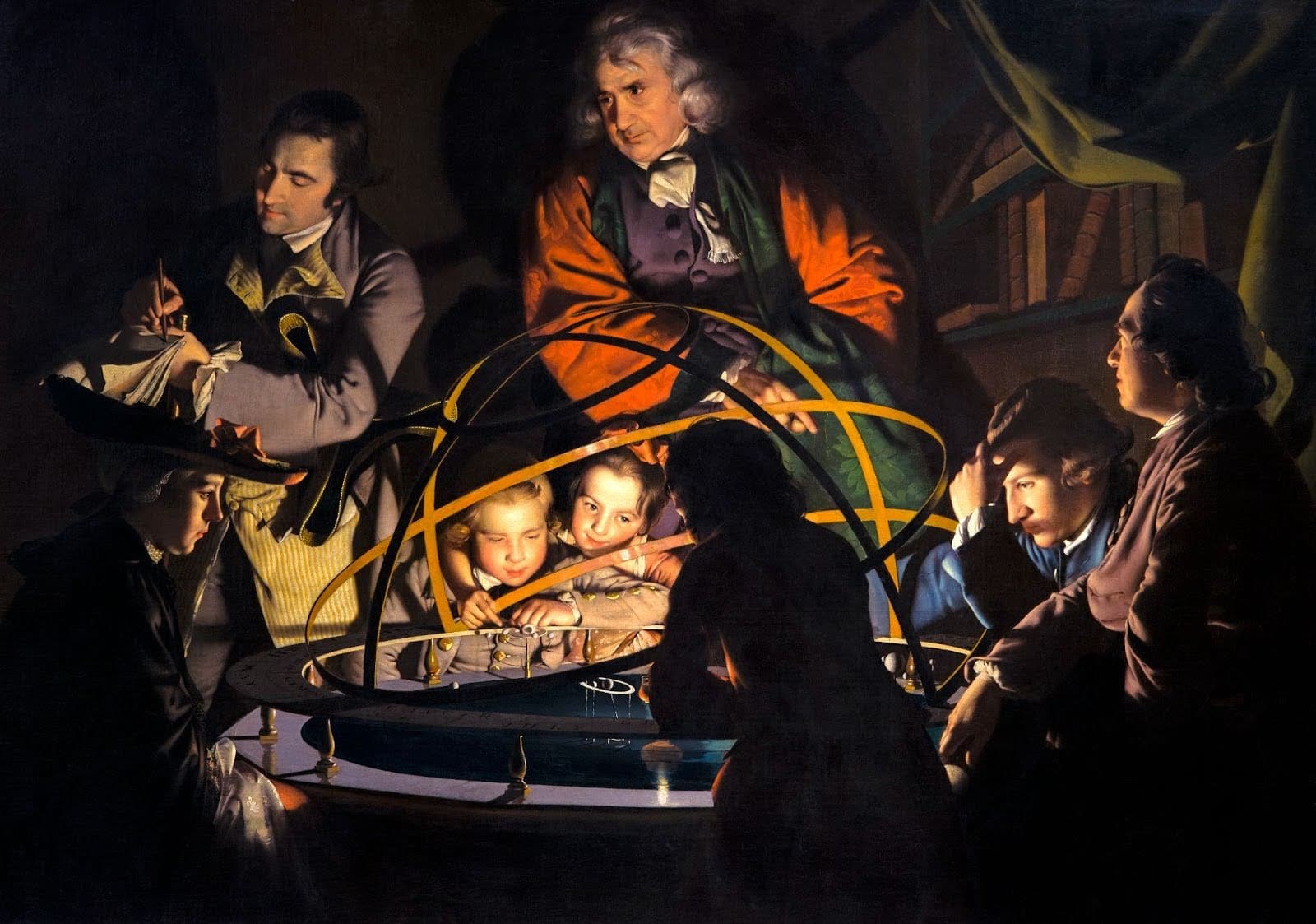
In reality, children are acute observers. Unencumbered by social conventions, they see the world for what it is. When we ignore a child’s deep questions, we miss an opportunity to set the foundation for a life of inquiry. At the same time, we understand parents are busy, and most classroom teachers aren’t equipped to handle the philosophy underlying children’s thinking. You’re making the most of a crucial development period by setting your child up with a real philosopher. Children are natural philosophers. Our tutors help students internalize that their thoughts are insightful, building their confidence to approach problems to which we don’t yet know the answers.
Philosophy teaches students to grapple with unsettled questions and seek truth.
Education has become a contest for answering questions to which we already know the answers. But how will this help humanity progress? Society's biggest problems, both social and scientific, involve questions that remain unsettled. Sadly, students often don’t approach these kinds of unknown ‘research’ questions until post-graduate university studies or in the workplace, when they’ve spent 15+ years practicing with an answer key at the back of the textbook. As a result, they falter when faced with a problem posed differently from what they’re used to, lacking the analytical tools to reason through to potential solutions or a plan of attack.
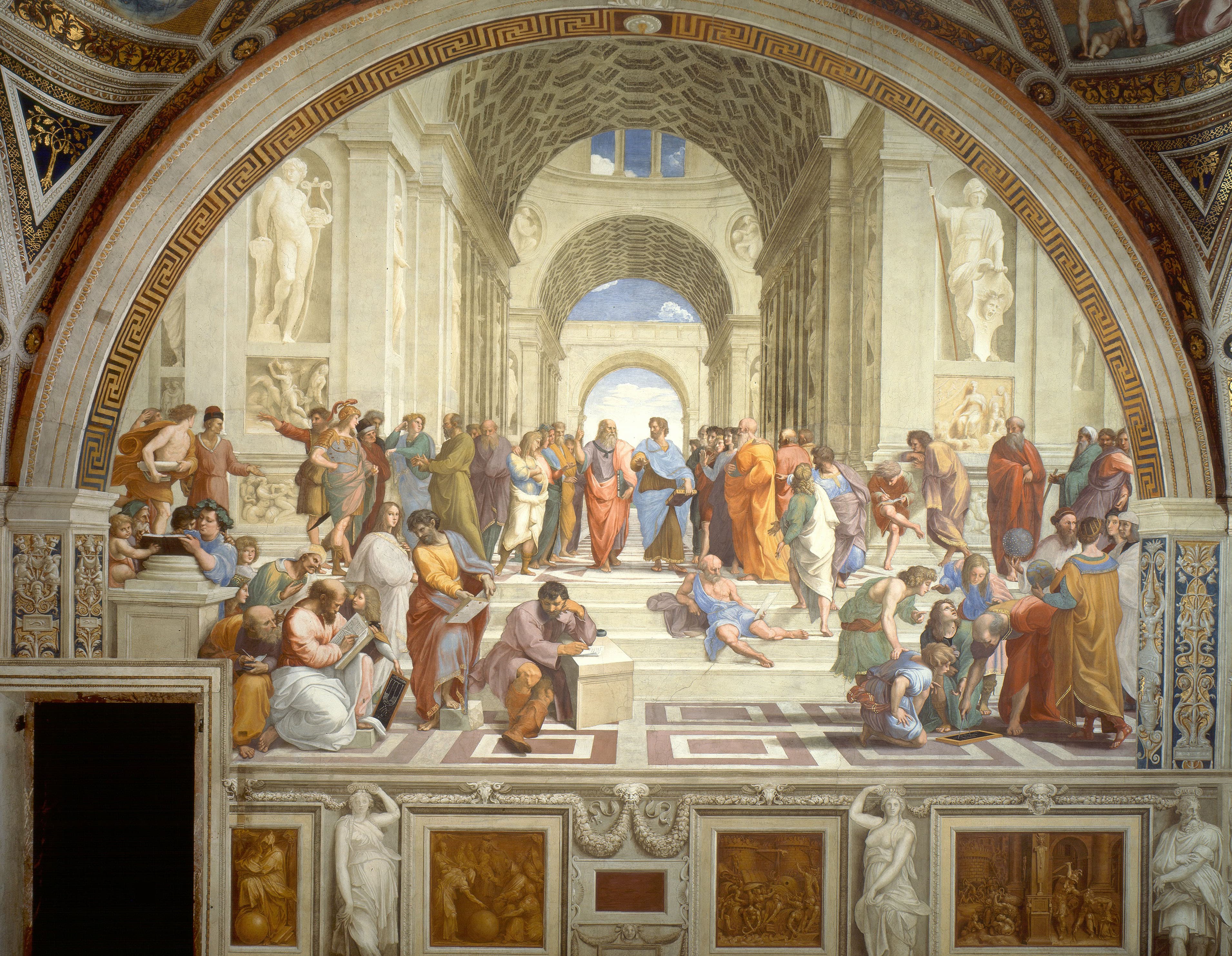
Because philosophy investigates the assumptions that underlie our thinking and beliefs, it teaches us to evaluate claims based on reason and analysis. Instead of ignoring or fearing the unknown, we give students the tools to grapple with it. Not only is this helpful in figuring out what problems to work on later in life, but also in dealing with the onslaught of falsehoods presented as truths on social media. This relatively modern problem troubles parents: do you restrict access to technology?
Our view is that rather than restricting children, why not equip them with the ability to think critically about the influx of information they encounter? Philosophy teaches wonder in the face of unsettled questions and curiosity about multifaceted social issues. It is the foundation of everything else, cultivating a prepared, rational mind.
Great science has its genesis in philosophical inquiry.
We care deeply about human flourishing. Unfortunately, mass education is not serving our brightest students. Today, precocious pupils sit unchallenged in a classroom that caters to the average. Hypatia primarily caters to students whose unbounded curiosity has the potential, if fostered, to drive discovery and progress that ultimately serves us all. As a parent of a bright child, you may be tempted to jump ahead and have your child speak directly with an astronomer if they love space, or a biologist if nature interests them. While we plan to help you organize this in the future, we encourage you to consider what sets children up for success in many fields instead.
Philosophy appears frequently in the early lives of many of history’s most outstanding scientists. Einstein read all three of Kant’s major works by 16. His interest in philosophy continued through graduate school and at the patent office. Well before his miracle year, Einstein ran the ‘Olympia Academy,’ where he and a group of friends frequently met to discuss philosophy and physics. After completing his theory of general relativity in 1916, Einstein wrote in an obituary for one of his idols, Ernst Mach:
When I think about the ablest students whom I have encountered in my teaching—that is, those who distinguish themselves by their independence of judgment and not just their quick-wittedness—I can affirm that they had a vigorous interest in epistemology. They happily began discussions about the goals and methods of science, and they showed unequivocally, through tenacious defense of their views, that the subject seemed important to them
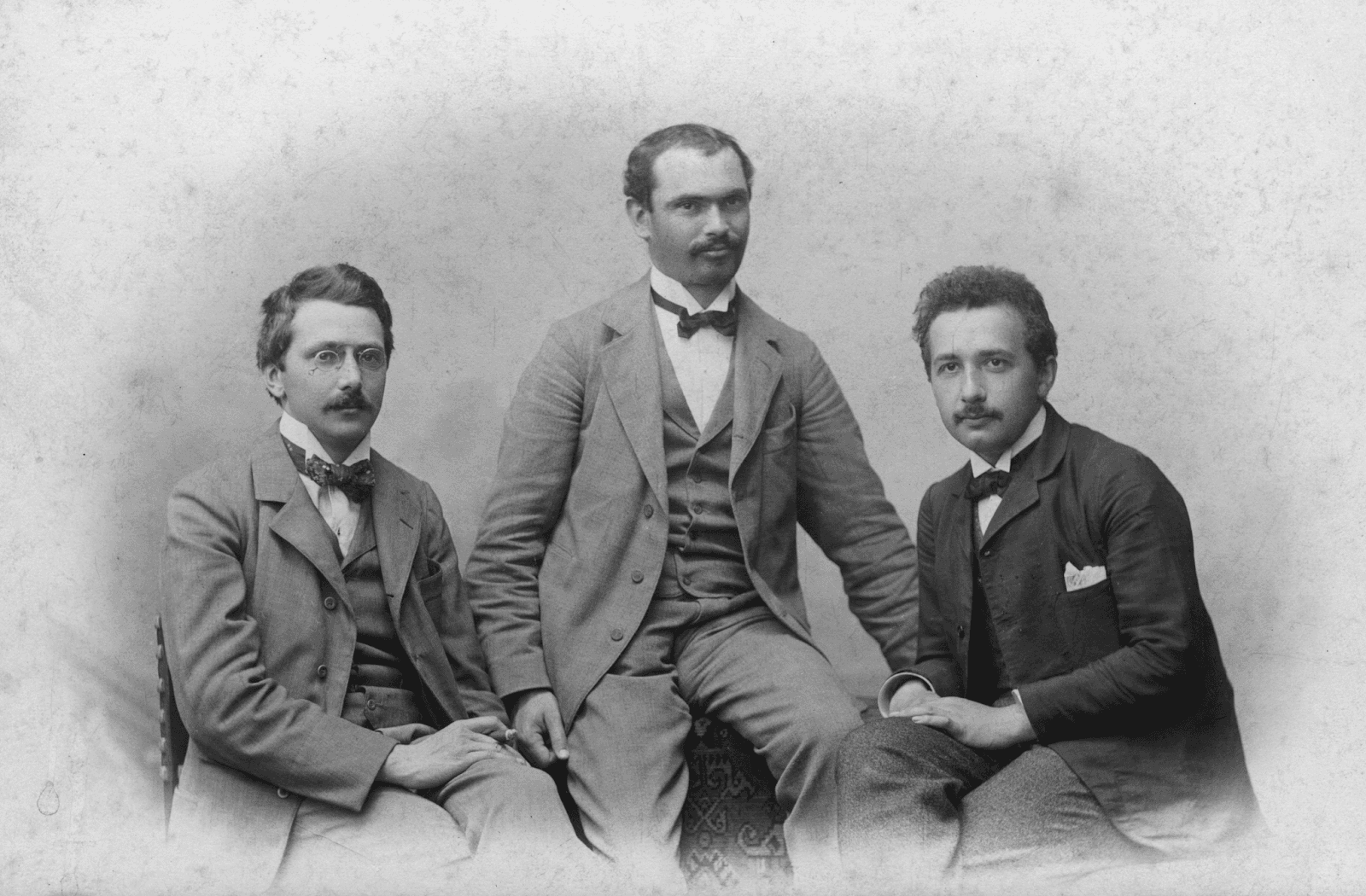
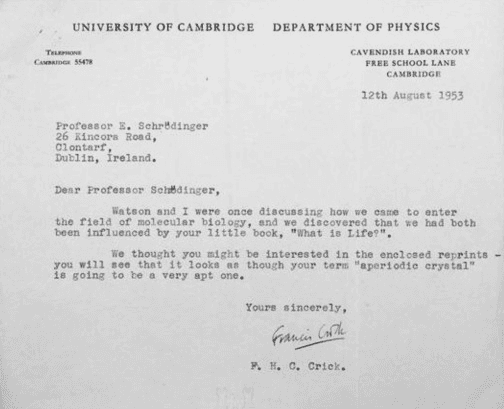
It was clear to Einstein that the best students demonstrated an independence of judgment that began with a critical attitude toward what is presented as ‘truth.’ Schrodinger’s Cat, the famous thought experiment, again alludes to the philosophical origins of discovery. Like many physicists of his time, Schrodinger was deeply influenced by philosophers with heterodox ideas about god and reality. In his 50s, Schrodinger published his own philosophical treatise, ‘What is Life?’ Watson and Crick went on to acknowledge the impact of Schrodinger’s work in their discovery of the double helix structure of DNA:
By this point, we hope you’ll share in our concern that philosophy is considered secondary to science today, practically ignored in mass education, and rapidly evaporating from public consciousness. We’ve focused on the origins of great science only because we are alarmed by its continued divergence from philosophy. We believe, with evidence from giants, that science and philosophy are inextricably linked.
Philosophy is the pursuit of wisdom, truth, and knowledge. Given our frustration with mass education, we’re helping parents cultivate a critical attitude in children by engaging instead of ignoring their philosophical nature. Hypatia students are not pushed to pursue any particular field. Instead, our trained thinkers—our philosophers—mentor and guide them along the axes where they express interest. When a teacher cares about a child’s mind, they flourish in all areas.
If this sounds like something your child would benefit from, we’d love to speak with you. Fill out the sign-up form below, and we’ll get in touch!